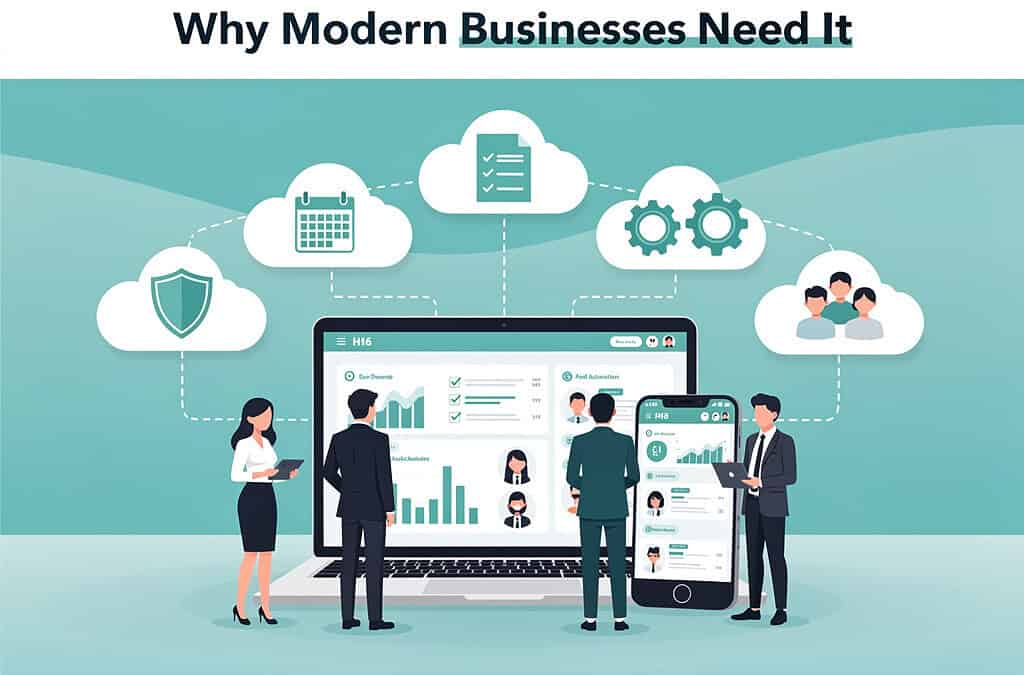
Benefits of Cloud-Based HR Software: Why Modern Businesses Need It

Benefits of Cloud-Based HR Software: Why Modern Businesses Need It

Benefits of Cloud-Based HR Software: Why Modern Businesses Need It

December 17, 2022

HRonTheNet
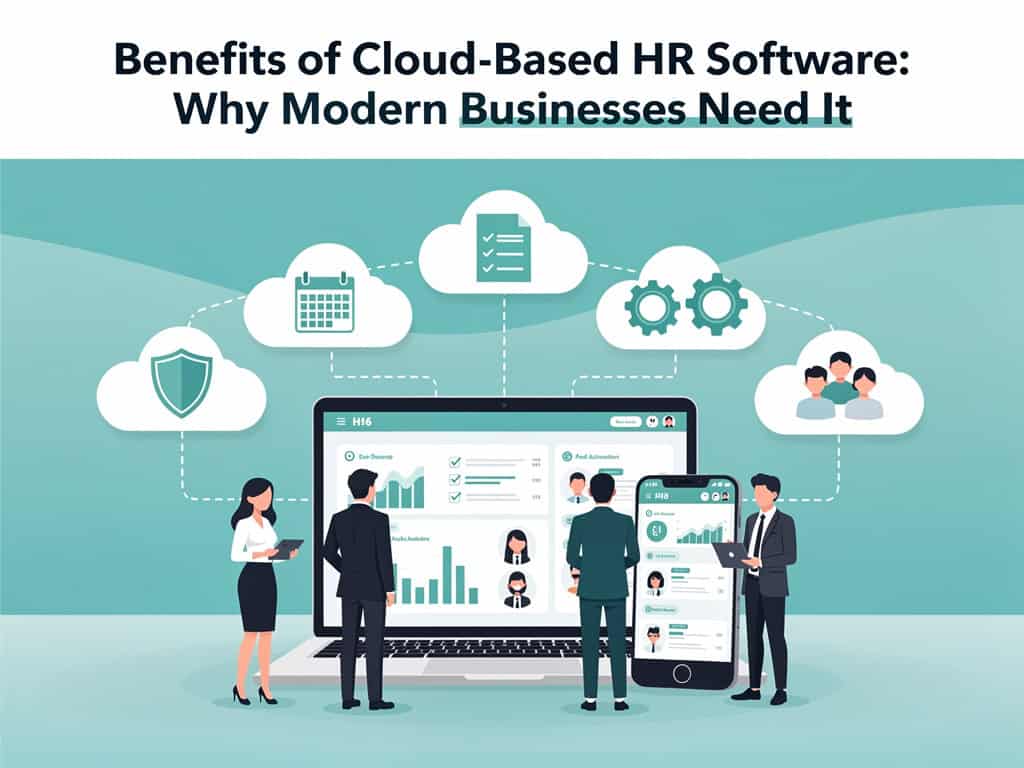
Benefits of Cloud-Based HR Software: Why Modern Businesses Need It

As organisations navigate an increasingly digital and distributed workplace, human resource departments are under growing pressure to improve efficiency, enhance employee experiences, and support business growth. Traditional HR systems, often reliant on manual processes and fragmented data, can hinder productivity and limit organisational agility.

Cloud-based HR software has emerged as a transformative solution, enabling businesses to streamline HR operations, improve workforce management, and make data-driven decisions. By leveraging cloud technology, organisations can create a more efficient, connected, and scalable HR ecosystem.

Understanding Cloud-Based HR Software

Cloud-based HR software is a centralised platform hosted on secure cloud infrastructure that enables organisations to manage core HR functions through a web-based interface. From employee records and payroll management to performance tracking and recruitment, cloud solutions provide seamless access to critical HR data and processes from any location.

Key Benefits of Cloud-Based HR Software

Enhanced Operational Efficiency

One of the most significant advantages of cloud-based HR software is its ability to automate routine administrative tasks. Processes such as employee onboarding, attendance management, leave approvals, payroll administration, and document management can be streamlined through intelligent workflows. This automation reduces manual effort, minimises errors, and allows HR professionals to focus on strategic initiatives that drive business value.

Improved Accessibility and Workforce Flexibility

In today’s hybrid and remote work environment, accessibility is essential. Cloud-based HR platforms provide secure access to HR systems from any internet-connected device, enabling employees, managers, and HR teams to collaborate effectively regardless of location. This flexibility ensures business continuity while supporting modern workforce expectations.

Data-Driven Decision Making

Modern HR software provides real-time reporting and analytics that offer valuable insights into workforce performance, employee engagement, turnover trends, absenteeism, and talent management. By transforming HR data into actionable intelligence, organisations can make informed decisions that align with broader business objectives.

Strengthened Data Security and Compliance

Employee information is among the most sensitive data an organisation manages. Reputable cloud HR solutions employ advanced security measures, including data encryption, role-based access controls, automated backups, and continuous monitoring. Additionally, these systems help organisations maintain compliance with labour regulations, tax requirements, and internal governance policies through accurate recordkeeping and automated compliance workflows.

Enhanced Employee Experience

Employee expectations have evolved significantly, with greater demand for convenience, transparency, and self-service capabilities. Cloud-based HR software empowers employees to access personal information, submit leave requests, review payslips, update records, and track performance objectives independently. This not only improves employee satisfaction but also reduces administrative burdens on HR teams.

Scalability to Support Business Growth

As organisations expand, their HR requirements become increasingly complex. Cloud-based HR platforms are designed to scale alongside business growth, accommodating additional employees, departments, locations, and processes without requiring substantial infrastructure investments. This scalability ensures that HR systems remain effective as organizational needs evolve.

Cost Optimization

Traditional on-premise HR systems often require significant investments in hardware, software licenses, maintenance, and IT resources. Cloud-based solutions operate on a subscription model, reducing upfront capital expenditures while lowering ongoing maintenance costs. This approach enables organisations to achieve greater value while maintaining access to the latest features and updates.

Seamless Integration Across Business Functions

Modern cloud HR platforms can integrate with payroll systems, accounting software, enterprise resource planning (ERP) solutions, recruitment platforms, and productivity tools. This interconnected environment eliminates data silos, improves information accuracy, and creates a unified operational framework across the organisation.

Why Cloud-Based HR Software Is a Strategic Investment

Human resources is no longer viewed solely as an administrative function; it has become a strategic partner in driving organisational success. Cloud-based HR software enables businesses to align people management with business objectives by providing the tools, insights, and flexibility needed to attract, develop, and retain top talent.

Organisations that embrace digital HR transformation are better positioned to improve workforce productivity, enhance employee engagement, and respond effectively to changing market demands.

Cloud-based HR software has fundamentally changed how organisations manage their workforce. By automating processes, improving accessibility, strengthening security, and delivering actionable insights, these solutions empower HR teams to operate more strategically and efficiently.

As businesses continue to evolve in a competitive and technology-driven landscape, investing in a robust cloud-based HR platform is not simply an operational improvement—it is a strategic decision that supports long-term growth, agility, and organisational success.
A complete HR management and analytics platform helping organisations operate with more clarity and control.

Reach Us

sales@progenytech.com

+8801711 036168

House 242, Road 03, DOHS Baridhara, Dhaka 1206

Quick Links

Home

Core Modules

Core Modules

Clients

Clients

Book a demo

Book a demo

Social

Facebook

LinkedIn

Youtube

basis-member-progenytech-hronthenet-mob

How HR Software Benefits Your Business Financially

How HR Software Benefits Your Business Financially

How HR Software Benefits Your Business Financially

December 15, 2022

HRonTheNet

How HR Software Benefits Your Business Financially

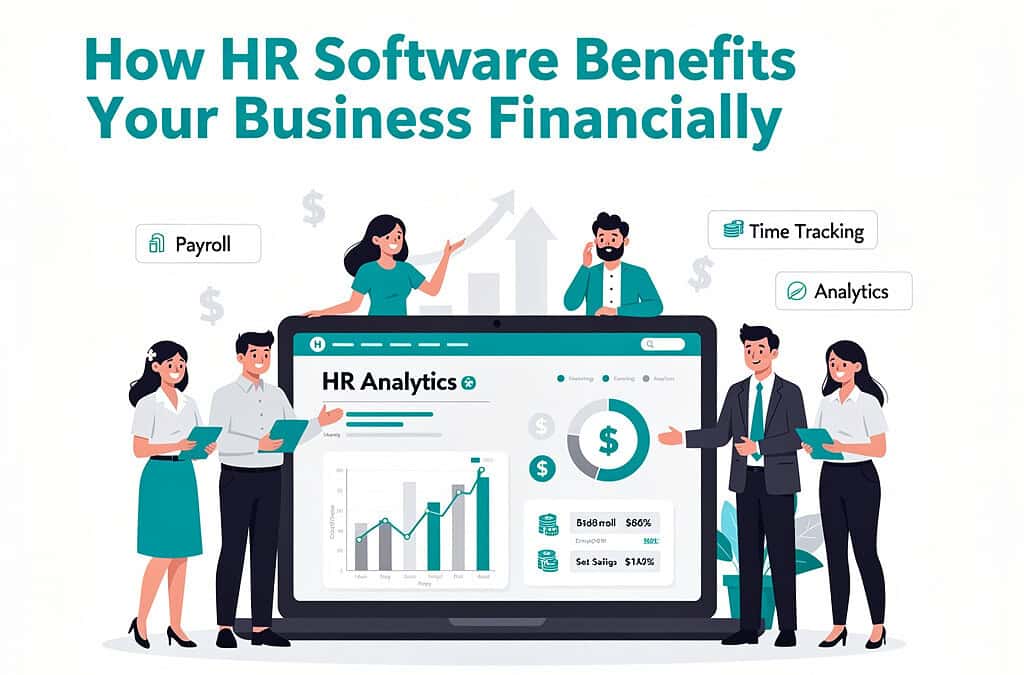
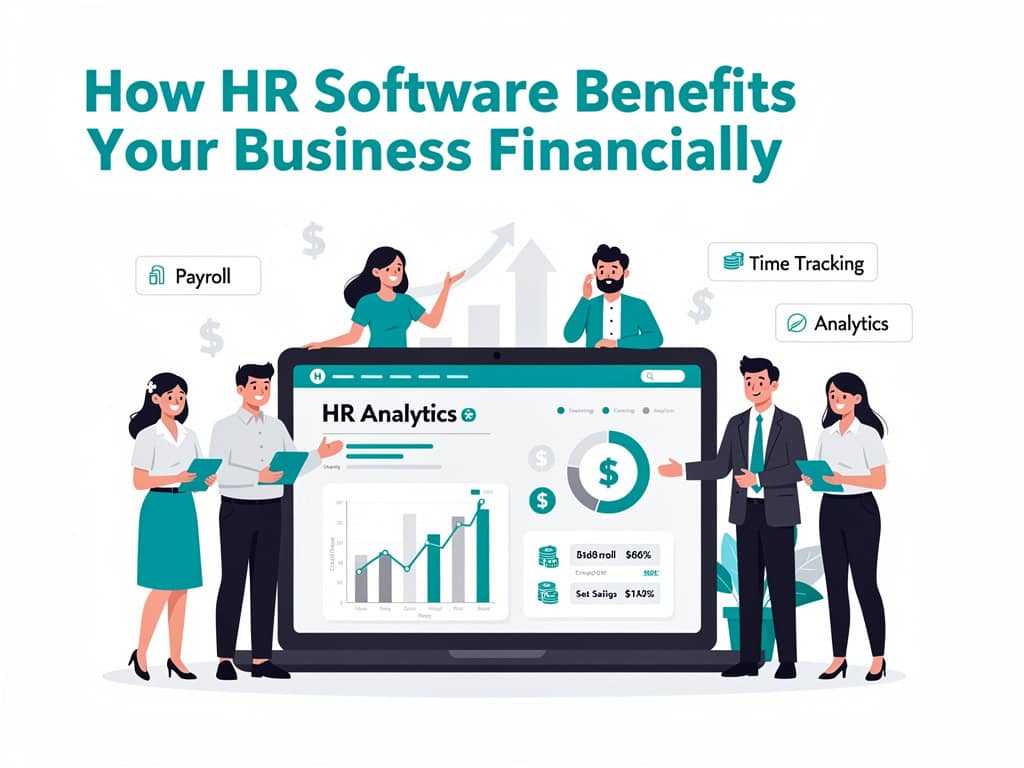
Organisations are constantly seeking ways to improve efficiency, reduce operational costs, and maximise profitability. While human resource management is often viewed as an administrative function, it plays a significant role in an organisation’s financial performance.

Modern HR software provides businesses with the tools to streamline workforce management, automate repetitive tasks, and make informed decisions based on real-time data. Beyond improving HR operations, these solutions deliver measurable financial benefits that contribute directly to an organisation’s bottom line.

Reducing Administrative Costs

Manual HR processes require significant time and resources. Tasks such as employee record management, payroll processing, leave tracking, attendance monitoring, and compliance reporting can consume countless hours of administrative work.

HR software automates these routine processes, reducing the need for manual intervention and allowing HR professionals to focus on strategic activities. As a result, organisations can lower administrative expenses while improving overall productivity.

Minimizing Payroll Errors

Payroll inaccuracies can lead to financial losses, employee dissatisfaction, and compliance risks. Manual calculations increase the likelihood of mistakes related to salaries, overtime, tax deductions, and benefits administration.

HR software automates payroll calculations and maintains accurate employee data, helping organisations minimise costly errors and avoid unnecessary financial penalties.

Improving Workforce Productivity

Employee productivity has a direct impact on business profitability. HR software simplifies communication, performance management, attendance tracking, and employee self-service functions, allowing employees to spend less time on administrative tasks and more time contributing to business objectives.

Increased workforce efficiency leads to higher output and better utilization of organizational resources.

Lowering Recruitment Costs

Hiring the right talent can be expensive and time-consuming. HR software streamlines recruitment processes through applicant tracking, resume management, interview scheduling, and candidate evaluation tools.

By reducing time-to-hire and improving hiring accuracy, organisations can lower recruitment costs while securing qualified candidates more efficiently.

Reducing Employee Turnover Expenses

Employee turnover carries significant financial implications, including recruitment costs, onboarding expenses, training investments, and lost productivity.

HR software helps organisations improve employee engagement, monitor performance, identify retention risks, and support career development initiatives. By fostering a positive employee experience, businesses can reduce turnover rates and the associated replacement costs.

Enhancing Compliance and Risk Management

Failure to comply with labour laws, tax regulations, and workplace policies can result in substantial fines and legal expenses.

HR software maintains accurate records, automates compliance tracking, and generates required reports, helping organisations reduce legal risks and avoid costly regulatory penalties.

Optimizing Resource Allocation

Data-driven decision-making is essential for financial efficiency. HR software provides comprehensive analytics and reporting capabilities that enable leaders to assess workforce costs, productivity levels, absenteeism trends, and staffing requirements.

These insights help organisations allocate resources more effectively, control labour expenses, and improve workforce planning.

Eliminating Paper-Based Expenses

Traditional HR processes often rely on printed forms, physical storage, and manual documentation. These practices generate ongoing costs related to paper, printing, filing, and record maintenance.

Digital HR systems centralise information electronically, significantly reducing administrative overhead while supporting sustainability initiatives.

Supporting Scalable Growth

As businesses expand, managing a growing workforce becomes increasingly complex. HR software provides a scalable foundation that can accommodate organisational growth without requiring proportional increases in HR staff or administrative costs.

This scalability enables businesses to grow efficiently while maintaining operational control.

Delivering a Strong Return on Investment

The cumulative financial benefits of HR software—including reduced labour costs, improved productivity, lower turnover, enhanced compliance, and streamlined operations—often result in a significant return on investment. Organisations that adopt modern HR technology can achieve both short-term cost savings and long-term financial gains.

Organisations that embrace digital HR transformation are better positioned to improve workforce productivity, enhance employee engagement, and respond effectively to changing market demands.

HR software is more than a workforce management tool; it is a strategic investment that delivers measurable financial value. By automating processes, reducing operational expenses, improving workforce efficiency, and supporting data-driven decision-making, HR software helps organisations strengthen their financial performance and achieve sustainable growth.

Businesses looking to optimize costs while enhancing employee management should consider HR software as a critical component of their digital transformation strategy.

As businesses continue to evolve in a competitive and technology-driven landscape, investing in a robust cloud-based HR platform is not simply an operational improvement—it is a strategic decision that supports long-term growth, agility, and organisational success.

Benefits of Time and Attendance Management System

Benefits of Time and Attendance Management System

Benefits of Time and Attendance Management System

December 17, 2022

HRonTheNet

Benefits of Time and Attendance Management System

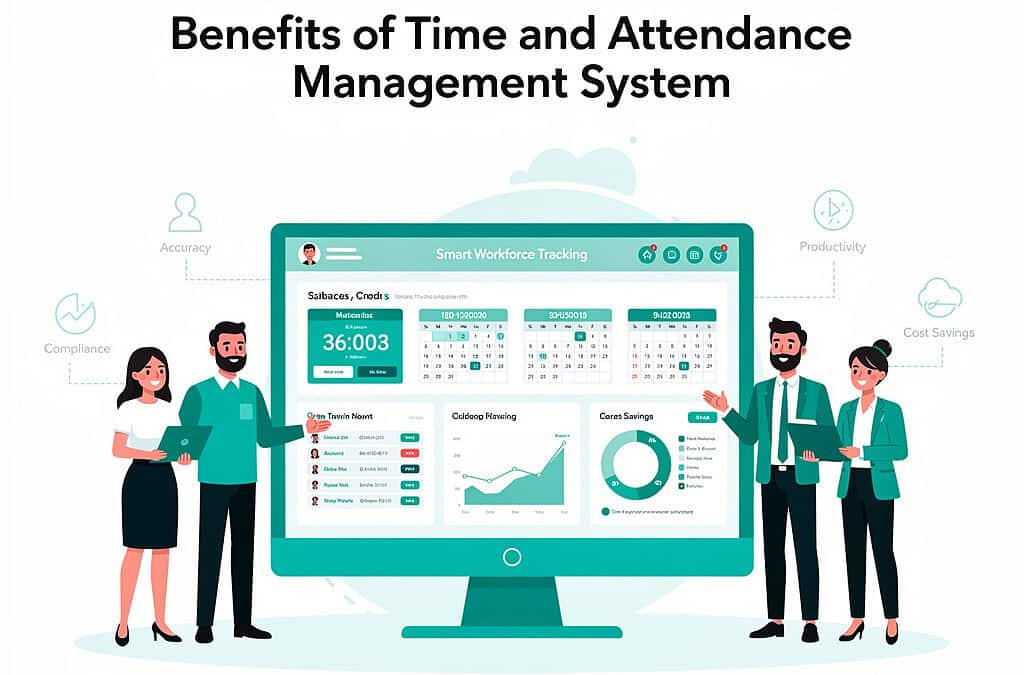
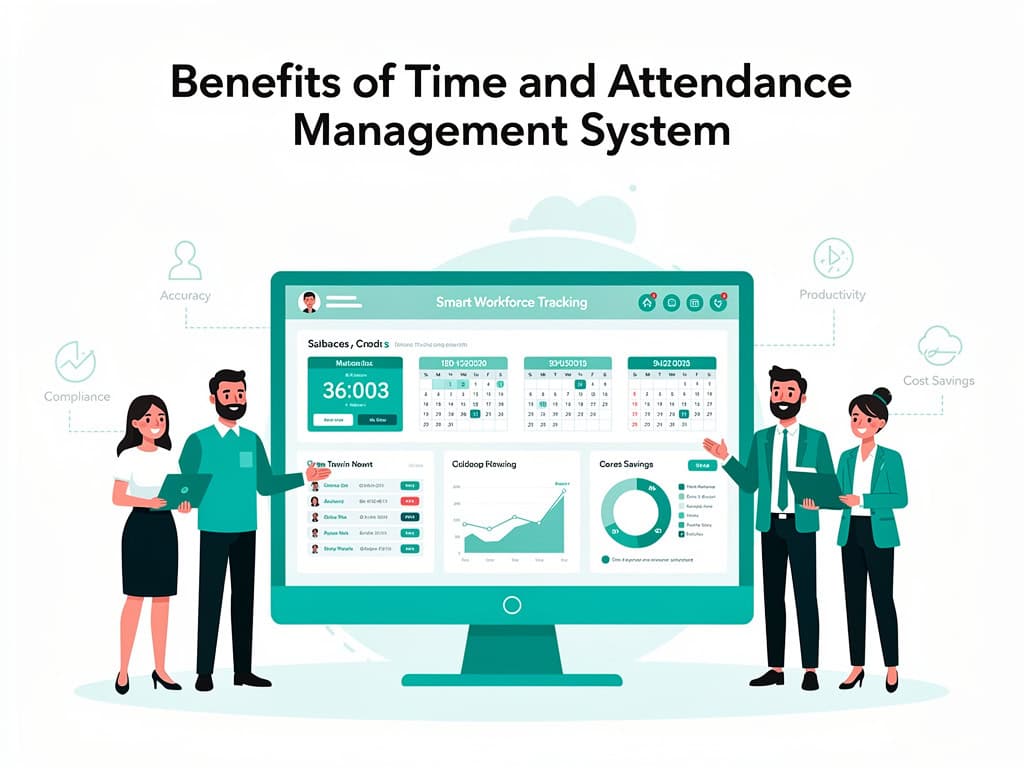
In today’s fast-paced business environment, managing time and attendance efficiently is crucial for organizations of all sizes. Traditional methods, such as manual timesheets or punch cards, are not only cumbersome but also prone to errors, making them unreliable for accurate workforce management. To overcome these challenges, many businesses have turned to automated solutions known as Time and Attendance Management Systems. These systems leverage advanced technologies to streamline processes, optimize workforce management, and bring forth a multitude of benefits for both employers and employees. In this blog post, we will delve into the numerous advantages of implementing a Time and Attendance Management System and explore how it can revolutionize your organization.

Enhanced Accuracy and Elimination of Errors

One of the primary benefits of adopting a Time and Attendance Management System is the significant reduction in errors and inaccuracies. Manual processes often result in mistakes due to human error or deliberate manipulation of data. However, with an automated system, employees can accurately record their working hours using various means such as biometric scanners, mobile apps, or web-based interfaces. This eradicates the possibility of time theft, buddy punching, or miscalculations, ensuring precise and reliable attendance data.

Increased Efficiency and Time Savings

Time and Attendance Management Systems save precious time for both employees and HR personnel. Automating time-tracking tasks eliminates the need for manual data entry, consolidating attendance records, and reconciling inconsistencies. This allows HR teams to focus on more strategic activities, such as talent management, employee development, and fostering a positive work culture. Employees, on the other hand, experience a hassle-free and streamlined process, freeing them from the burden of maintaining tedious timesheets and allowing them to concentrate on their core responsibilities.

Improved Payroll Accuracy and Cost Reduction 

Accurate time and attendance data directly impact payroll processing. By leveraging a Time and Attendance Management System, organizations can ensure that payroll calculations are based on precise data, minimizing errors and discrepancies. This not only leads to greater payroll accuracy but also reduces the administrative overhead associated with rectifying mistakes and disputes. Additionally, automated systems can integrate with payroll software, simplifying the process further and saving time, effort, and costs associated with manual payroll processing.

Compliance with Labor Laws and Regulations

Compliance with labor laws and regulations is of paramount importance for every organization. However, staying abreast of ever-changing legislation can be challenging, particularly when it comes to time tracking and attendance. Time and Attendance Management Systems provide built-in features to monitor and enforce labor laws, including overtime regulations, break times, and leave policies. By automating compliance checks, organizations can avoid costly penalties and legal issues, ensuring they meet all regulatory requirements.

Accurate Workforce Planning and Resource Allocation

Effective workforce management requires accurate insights into employee attendance patterns, absence trends, and labor costs. A Time and Attendance Management System offers comprehensive reporting and analytics capabilities, empowering HR teams and managers with real-time data. This data-driven approach enables informed decision-making regarding scheduling, resource allocation, and identifying areas for optimization. With better visibility into workforce metrics, organizations can align their staffing needs with business demands, minimize overstaffing or understaffing, and optimize labor costs.

Boosted Employee Engagement and Transparency

Implementing a Time and Attendance Management System promotes transparency and trust between employers and employees. Automated systems provide employees with self-service portals to view and manage their attendance records, leave balances, and schedules. This level of transparency empowers employees, reduces disputes, and encourages accountability. Moreover, by automating time-off requests and approvals, organizations can streamline the leave management process, ensuring fairness and enhancing employee satisfaction.

Integration with Other HR Systems

Time and Attendance Management Systems often integrate seamlessly with other HR systems, such as HRIS (Human Resource Information System), payroll software, and performance management tools. This integration facilitates data flow across different systems, eliminating the need for duplicate data entry and ensuring consistency across various HR functions. The holistic approach enables organizations to gain deeper insights, optimize processes, and create a cohesive HR ecosystem.

Embracing a Time and Attendance Management System unlocks a myriad of benefits for organizations seeking to optimize efficiency, enhance productivity, and foster a culture of transparency. By leveraging automated processes, accurate data, and comprehensive reporting, businesses can streamline time-tracking, minimize errors, comply with labor regulations, and make data-driven decisions. Moreover, employees benefit from simplified attendance management, reduced administrative burdens, and increased engagement. As organizations navigate the demands of the modern workplace, implementing a robust Time and Attendance Management System emerges as a crucial investment to propel success, drive growth, and unlock the full potential of their workforce.

10 Best HR Management Software For Small Business

10 Best HR Management Software For Small Business

10 Best HR Management Software For Small Business

December 17, 2022

HRonTheNet

10 Best HR Management Software For Small Business

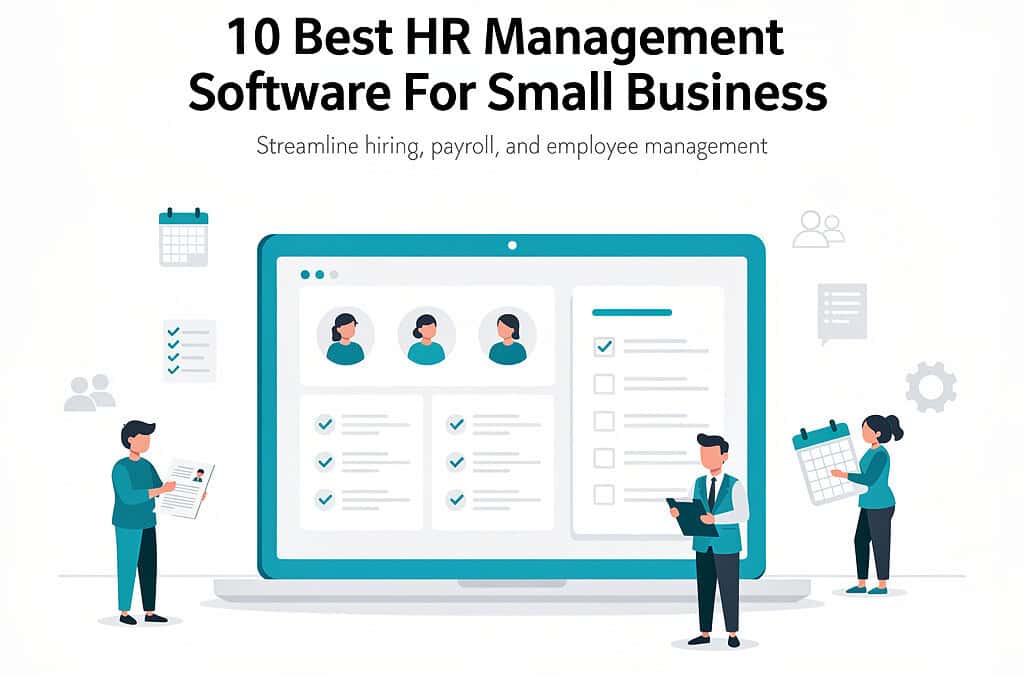
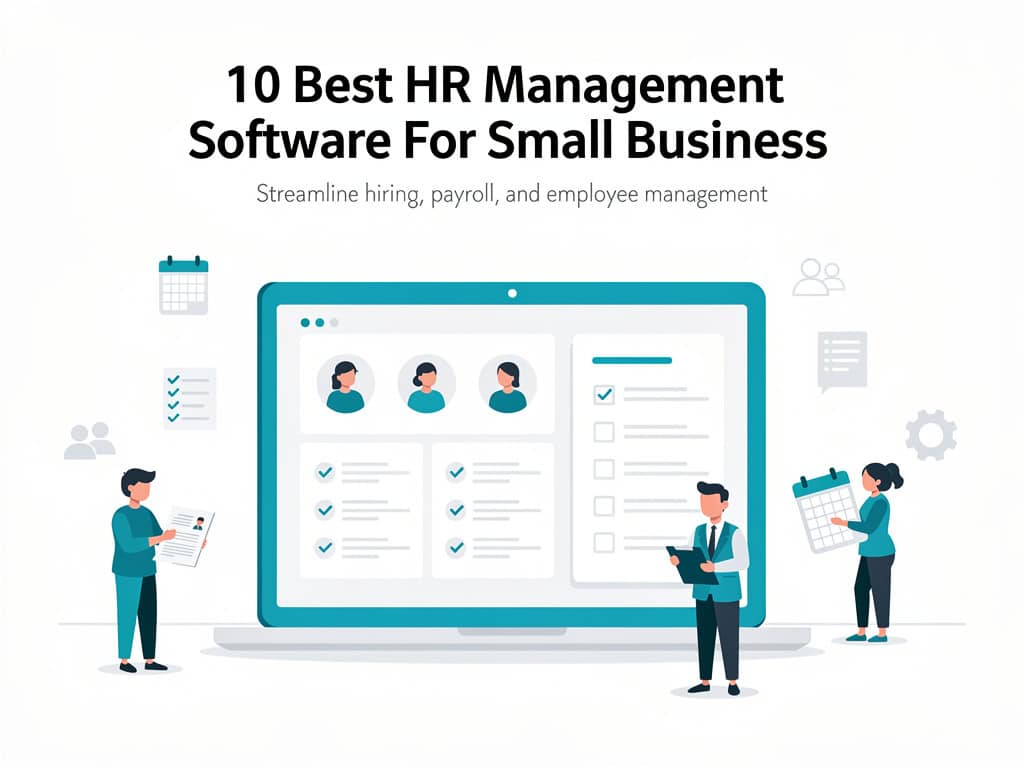
Human Resources (HR) plays a crucial role in managing employee-related tasks, from recruitment and onboarding to payroll and performance management. To streamline these processes and improve efficiency, small businesses can greatly benefit from HR management software. These software solutions offer a range of features designed to simplify HR operations, enhance employee engagement, and ensure compliance with labour laws. In this article, we’ll explore the top 10 HR management software options suitable for small businesses.

10 Best HR Management Systems 

  1. BambooHR
  2. Zoho People
  3. Gusto
  4. Namely
  5. ADP Workforce Now
  6. Paycor
  7. Zenefits
  8. SAP SuccessFactors
  9. Workday
  10. OrangeHRM

BambooHR: BambooHR is a comprehensive HR management software that offers applicant tracking, employee onboarding, time-off management, and performance management features. It provides a user-friendly interface and customizable workflows, making it an ideal choice for small businesses.

Zoho People: Zoho People is a cloud-based HR software that offers modules for employee self-service, attendance tracking, leave management, and performance appraisal. It integrates well with other Zoho products and provides mobile accessibility for on-the-go HR management.

Gusto: Gusto is an all-in-one HR and payroll software designed specifically for small businesses. It simplifies payroll processing, benefits administration, and compliance tasks. Gusto also offers employee self-service tools and provides excellent customer support.

Namely: Namely is a cloud-based HR management platform that combines HR, payroll, and benefits administration. It offers features such as time tracking, performance management, and goal setting. Namely also ensures compliance with employment regulations.

ADP Workforce Now: ADP Workforce Now is a scalable HR management solution suitable for small and medium-sized businesses. It provides modules for payroll, benefits administration, talent management, and time and attendance tracking. ADP Workforce Now also offers robust reporting capabilities.

Paycor: Paycor is a cloud-based HR and payroll software that offers comprehensive features, including applicant tracking, onboarding, time and attendance management, and performance management. It provides a unified platform for HR and payroll operations.

Zenefits: Zenefits is an HR platform designed for small businesses, offering features such as employee onboarding, benefits administration, time off tracking, and compliance management. It integrates with popular third-party applications and provides a user-friendly interface.

SAP SuccessFactors: SAP SuccessFactors is an enterprise-level HR management software that also caters to small businesses. It provides features such as recruiting, performance management, learning and development, and succession planning. SAP SuccessFactors offers powerful analytics capabilities.

Workday: Workday is a cloud-based HR management software that offers a range of features, including talent management, workforce planning, compensation management, and employee self-service. It is known for its intuitive user interface and mobile accessibility.

OrangeHRM: OrangeHRM is an open-source HR management software that provides modules for employee information management, leave management, time and attendance tracking, and performance appraisal. It is a cost-effective solution suitable for small businesses with limited budgets.

Choosing the right HR management software is essential for small businesses to streamline their HR operations and improve employee management. The aforementioned options, including BambooHR, Zoho People, Gusto, Namely, ADP Workforce Now, Paycor, Zenefits, SAP SuccessFactors, Workday, and OrangeHRM, offer a range of features to cater to the specific needs of small businesses. Evaluate your requirements and consider factors such as scalability, user-friendliness, integration capabilities, and cost-effectiveness when selecting the best HR management software for your small business.

What Are The Benefits of Human Resource Software

What Are The Benefits of Human Resource Software

What Are The Benefits of Human Resource Software

December 27, 2022

HRonTheNet

What Are The Benefits of Human Resource Software

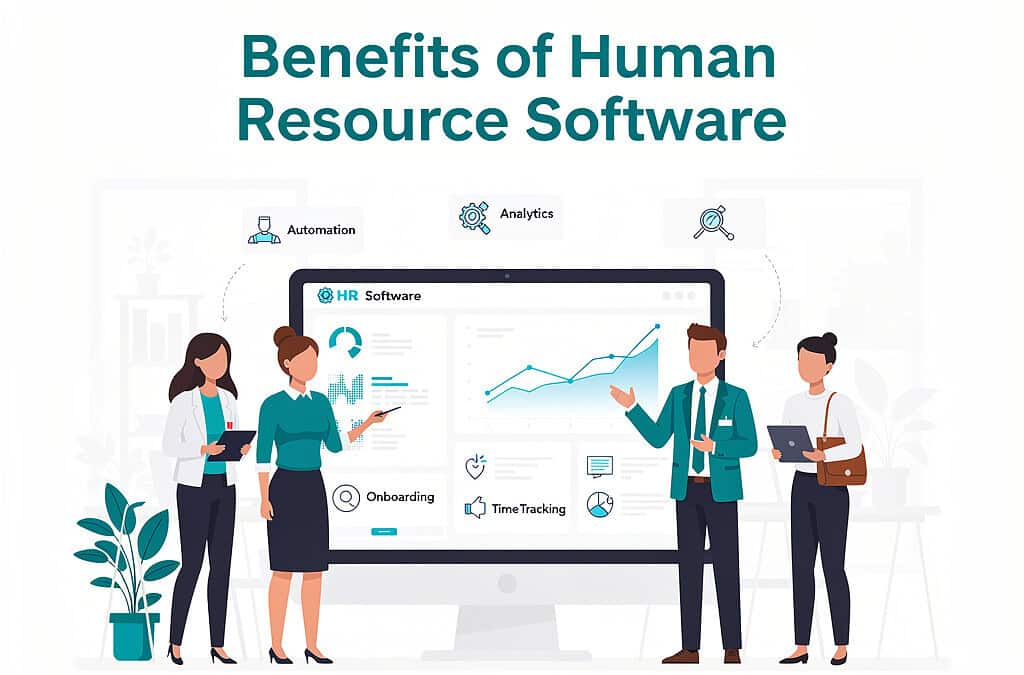
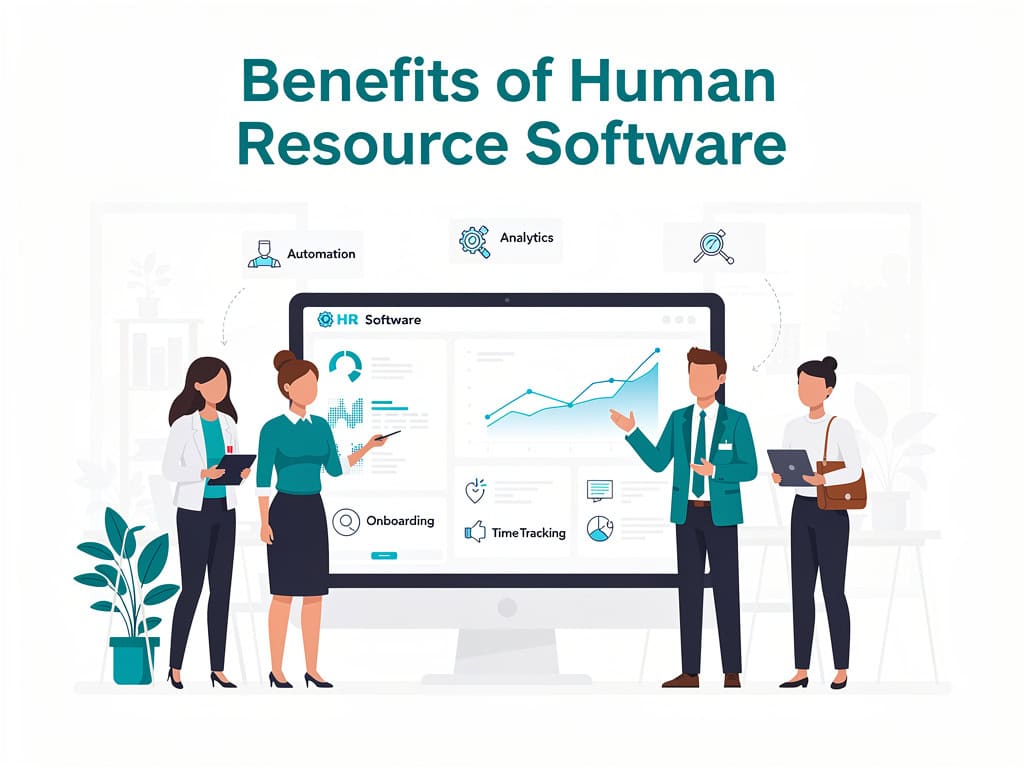
In an era where technology is reshaping every facet of business, Human Resource (HR) departments are embracing the transformative power of Human Resource Software. This comprehensive solution revolutionizes traditional HR operations, offering numerous benefits that optimize efficiency, streamline processes, and empower HR professionals. In this blog, we will explore the remarkable advantages of HR software and its impact on organizations.

Centralized Data Management

HR software serves as a centralized repository for all employee-related information, eliminating the need for scattered spreadsheets and manual record-keeping. It provides a secure and easily accessible platform to store and manage employee data, including personal details, job history, performance evaluations, benefits information, and more. With a few clicks, HR personnel can retrieve accurate information, facilitating informed decision-making and minimizing administrative errors.

Streamlined Recruitment and Onboarding

Efficient recruitment and onboarding processes are critical for attracting top talent and integrating new hires seamlessly. HR software automates and streamlines these processes by offering features such as applicant tracking systems, resume parsing, automated interview scheduling, and digital onboarding workflows. This reduces manual effort, accelerates time-to-hire, and enhances the overall candidate and employee experience.

Simplified Performance Management

Performance management is vital for enhancing employee productivity and development. HR software provides robust tools to streamline performance management workflows. It enables goal setting, real-time feedback, continuous performance tracking, and automated performance appraisal cycles. HR professionals can easily assess individual and team performance, identify skill gaps, and facilitate targeted coaching and development initiatives.

Time and Attendance Tracking

Managing employee attendance, leaves, and work hours can be a complex task. HR software simplifies this process by automating time and attendance tracking. It offers features such as biometric integration, web-based timesheets, and self-service leave applications. HR personnel can effortlessly generate accurate attendance reports, calculate payroll, and ensure compliance with labor regulations.

Employee Self-Service and Engagement

HR software empowers employees through self-service portals, providing them with direct access to their personal information and HR-related tasks. Employees can update their profiles, view pay stubs, access training materials, and submit leave requests, fostering autonomy and engagement. This self-service functionality reduces HR administrative workload, enhances communication, and improves overall employee satisfaction.

Advanced Reporting and Analytics

Data-driven decision-making is essential for HR professionals to strategize and optimize their workforce. HR software offers robust reporting and analytics capabilities, providing valuable insights into key HR metrics, trends, and patterns. HR personnel can generate customized reports, visualize data through intuitive dashboards, and identify areas for improvement. This data-driven approach enhances HR’s ability to make informed decisions and align HR strategies with organizational goals.

Compliance and Security

Maintaining compliance with legal and regulatory requirements is paramount for organizations. HR software helps ensure adherence to labor laws, data protection regulations, and industry-specific guidelines. It offers built-in compliance features, secure data encryption, access controls, and audit trails, safeguarding sensitive employee information and mitigating potential risks.

The adoption of Human Resource Software has transformed HR operations, empowering organizations to optimize efficiency, improve employee experiences, and drive business success. From centralized data management to streamlined recruitment, performance management, and self-service capabilities, HR software offers a comprehensive suite of tools that enhance productivity, foster engagement, and enable data-driven decision-making. By embracing HR software, organizations can revolutionize their HR practices and stay ahead in the dynamic landscape of modern business.

Pin It on Pinterest